


If you are planning a trip to Canada and wondering how many days in Montreal is the right amount, you are not alone. Montreal is one of those cities that surprises people.
It appears easy to get around on a map, but once you get there and start visiting its many unique neighborhoods, you discover that a weekend isn’t enough time to see everything.
The good news is that Montreal can change. You can plan a journey that feels complete even if you just have two days or five.
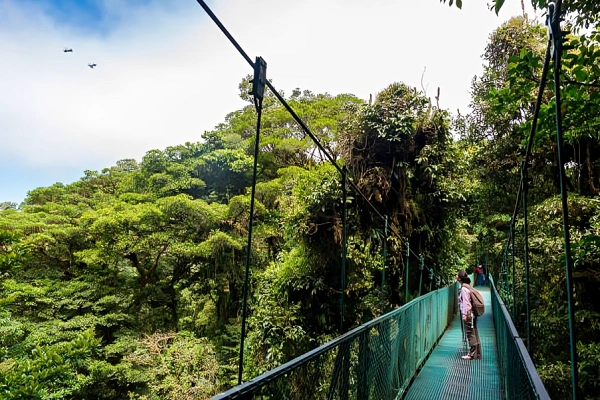
If you enjoy planning global trips or exploring sustainable travel destinations, you can also check out our detailed guide on Eco-Tourism in Costa Rica, which explains responsible travel and nature-based experiences in Costa Rica.
The Short Answer: 2 to 4 Days for Most Visitors
For first-time visitors, two to four days is the sweet spot. Two days gives you enough time to cover the must-see attractions and get a real sense of the city’s character.
Three days is ideal if you want to explore a bit more slowly and enjoy the food scene properly. Four or more days works well if you plan to visit day trips outside the city or dive into specific museums and cultural sites.
Two days is definitely enough time if you’re simply passing through for the weekend, but make sure to plan ahead because Montreal rewards those who pay attention to its neighborhoods instead of just the tourist areas.
What You Can See in 2 Days in Montreal
A two-day itinerary in Montreal can cover a lot of ground without feeling rushed, especially because the city is extremely walkable and has a reliable public transit system.
Day One: The Mountain and the Plateau
Start your first morning with a visit to Mount Royal. Known to locals simply as “the mountain,” this large green space sits right in the center of the city and offers a panoramic view of the Montreal skyline from the main lookout, Belvédère Kondiaronk.
It helps you orient yourself before exploring the rest of the city. In warmer months, Lac aux Castors (Beaver Lake) nearby is a great spot to relax and watch local life unfold.
In the afternoon, go to Le Plateau-Mont-Royal, which is perhaps the city’s cultural center.
Boulevard Saint-Laurent and Avenue du Mont-Royal have colorful Victorian buildings, famous curving outside staircases, independent cafés, and some of the best street art and murals in the city. There is a lot of young, creative energy in the neighborhood that feels very Montreal.
From the Plateau, cross into Mile End — a slightly more low-key neighborhood with a strong artistic identity. This is where you should try a Montreal-style bagel, which is thinner, sweeter, and wood-fired compared to the New York style.
The two famous rivals are Fairmount Bagel and Saint-Viateur Bagel, and locals have strong opinions about which is better.
Café Olimpico, a long-standing business on Rue Saint-Viateur, is a great place to stop for coffee. If you still have energy, head further north to Jean-Talon Market, which is in Little Italy.
It’s one of North America’s biggest open-air public marketplaces. You may buy local goods, seasonal fruits and vegetables, and Quebec maple syrup here.
The Plateau has a lot of great places to eat dinner in the evening, no matter what your budget is. Old Montreal is also a great place to have dinner on your first night if you want something more fancy.
Day Two: Old Montreal and Beyond
Spend your second morning wandering through Old Montreal (Vieux-Montréal). This historic district is almost 400 years old and contains some of the best-preserved colonial architecture in North America.
The cobblestone streets, stone buildings, and riverside location give it a completely different feel from the rest of the city.
Notre-Dame Basilica, one of the most beautiful Gothic Revival churches in the world, is the main attraction.
The azure, gold, and intricately detailed inside is worth the price of admission. You don’t have to pay to get in if you go to mass.
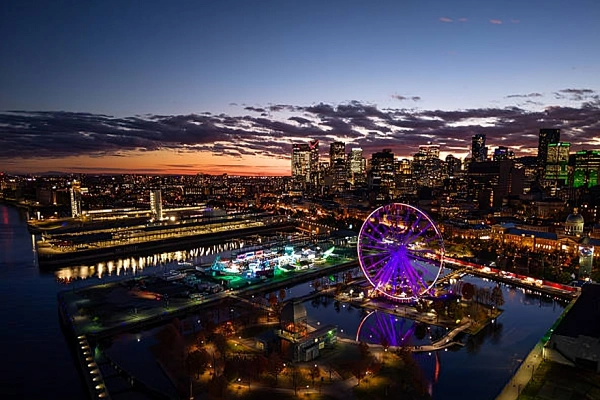
After there, proceed along Rue Saint-Paul past art galleries, shops, and café terraces until you reach the Old Port (Vieux-Port). It’s nice to walk along the waterfront by the St. Lawrence River in the morning.
Bonsecours Market, a lovely historic structure that sells local crafts and design goods, is close by. The tiny Notre-Dame-de-Bon-Secours Chapel is free to visit.
In the afternoon, consider exploring Little Burgundy (La Petite-Bourgogne) and Saint-Henri, two neighborhoods on the west side of downtown that have developed into interesting destinations in recent years.
Stop at Atwater Market, a covered public market similar in spirit to Jean-Talon but a bit smaller, with a great food court.
What You Can Do With 3 Days in Montreal
Adding a third day opens up some excellent options that a shorter trip simply does not allow.
Saint Joseph’s Oratory is one of Canada’s most important religious sites. It is close to the mountain. After St. Peter’s Basilica in Rome and the Panthéon in Paris, its dome is the third largest in the world. The steps also give you a great view.
You can also spend extra time seeing Montreal’s museums on the third day. The Montreal Museum of Fine Arts (Musée des Beaux-Arts de Montréal) is the most popular museum in the city.
It has a lot of permanent collections and temporary exhibitions that change every few months. Pointe-à-Callière is the city’s archaeology and history museum, and it was erected right over the archeological remains of the first village.
The Biodôme and Planétarium are both part of the Space for Life complex in the east end, which is great for families with kids.
You may also enjoy Montreal’s famous food culture at a leisurely pace on the third day.
You can try poutine at La Banquise, get a smoked pork sandwich at Schwartz’s Deli, or make a reservation at one of the numerous restaurants that are always on best-of lists for Canadian food.
Practical Information for Planning Your Visit
Getting Around
One of the best places to walk in North America is Montreal. You may easily walk or bike between many of the key communities, like the Plateau, Mile End, Downtown, and Old Montreal.
There is also a large bike-sharing network in the city called BIXI, with stations all over.
The STM metro (subway) is safe, clean, and goes to all the key tourist spots. A single fare costs about $3.50 CAD, but if you plan to use it often, you may get a day pass. In the city, Uber is another option.
Language
Montreal’s official language is French, and you will hear it everywhere. However, the city is largely bilingual, and most people working in tourism, hospitality, and retail will switch easily to English.
Menus and street signs are typically in both languages.
Best Time to Visit
There are four seasons in Montreal, and each one has its unique charm. June through August is the ideal time of year to go.
The weather is nice, the outdoor café terraces are open, and the city organizes some of its major events, such the Montreal International Jazz Festival, Just for Laughs, and the MURAL Festival.
In the fall (September and October), the leaves change color and there are less people. Winter is chilly and snowy, but it has its own magic, like the Luminothérapie light art works and ice skating on Beaver Lake. Spring is a short yet nice time of year.
Festivals and Events
Montreal boasts one of the busiest festival schedules of any city in North America. If you visit during one of these events, it can change the whole experience. Many of the shows and displays are free.
The Quartier des Spectacles is where most of the big outdoor events in the city center take place. Check the schedule.
Tips to Maximize Time
- Stay in or near Downtown or the Plateau to cut down on the time it takes to get from one neighborhood to another.
- Walk as much as possible — some of the best things in Montreal are discovered by wandering down a random side street.
- Book popular restaurants in advance, especially for dinner on weekends. Montreal’s dining scene is competitive.
- Carry a transit card or check the STM app if you plan to use the metro or bus regularly.
- If you are visiting in winter, dress in layers and know that many buildings are connected through Montreal’s famous underground city (RÉSO), a network of underground passages linking shopping centers, hotels, and transit stations across Downtown.
Final Thoughts
So, how many days in Montreal should you plan for? Two days is enough for a solid introduction. Three days is the ideal amount for most first-time visitors who want a relaxed but thorough experience.
Four or more days suits those who want to go deeper into the cultural fabric of the city — its art scene, food culture, history, and distinct urban neighborhoods.
Montreal is one of those cities that does not feel like anywhere else in Canada — or anywhere else in the world, for that matter.
It has a personality that takes a little time to reveal itself, and the more time you give it, the more it gives back.

A travel writer sharing informative guides, tips, and itineraries to help travelers explore the world smarter.