






Cape Town, located in South Africa, offers incredible experiences like sunrise hiking, wine-tasting, and biking through stunning landscapes.
The weather is generally pleasant, which makes exploring the city perfect for outdoor activities such as penguin-spotting or even safari-adventuring.
During my visit, I had the chance to enjoy the delicious local food and interact with the kind people, whose hospitality truly made my trip memorable.
However, like any major city, there are dangerous areas where crime and muggings can occur, so it’s essential to stay aware of your surroundings.
My personal experience was mostly positive, but I made sure to take necessary precautions to stay safe.
As a fellow traveler, I’d recommend exploring Cape Town with an open mind while being cautious of any sketchy situations, particularly when wandering outside the main tourist zones.
Is it safe for tourists to go to Cape Town?
Traveling to Cape Town can be an unforgettable experience, but as with any destination, using common sense is key to staying safe.
During my visit, I befriended some locals who shared invaluable safety tips that made my time in this beautiful city much smoother.
Cape Town can be safer if you stick to well-populated areas and avoid risky neighborhoods.
As a traveler, I found that doing some research ahead of time about recommended routes and activities can significantly improve your chance of having a smooth-sailing trip.
Staying safe in South Africa also means being prepared for unpredictable situations, and having the right knowledge on hand can help you navigate them with confidence.
It’s important to remember that a little preparation and taking the advice of the locals can turn your journey into a unique experience and make your trip far more enjoyable.
Is walking in Cape Town’s downtown safe?
Walking in downtown Cape Town is generally safe while the sun is out, especially in popular areas like the V&A Waterfront, Kloof Street, and Bo-Kaap.
I spent a few days exploring these vibrant neighborhoods, walking and biking around with no issues.
While Camps Bay and Clifton are considered safe, it’s important to stay vigilant, especially at night.
Walking around at night alone can be riskier, so it’s always better to go with a buddy or a trusted local.
In touristy areas, it’s less likely to encounter crime, but still, it’s wise to avoid walking in more isolated spots after dark.
For sightseeing, I’d recommend sticking to well-lit streets and popular locations where there are other tourists and locals around.
Where Not To Go In Cape Town?
Cape Town has many vibrant touristy areas, but generally speaking, there are places that are more dangerous, especially further out in the Township areas.
These informal, underdeveloped neighborhoods have raised crime rates due to the complex economic and racial struggles rooted in the city’s history.
While Cape Town’s Townships are home to resilient local communities and offer vibrant cultural hubs, they can be risky for those unfamiliar with the area.
If you’re interested in visiting a township, your best bet is to go with an organised tour that offers local knowledge to ensure safety and avoid any conflicts.
I personally recommend taking this approach to experience the culture without putting yourself at unnecessary risk.
Is Cape Town Safe? Top Cape Town Safety Tips
Create a connection with someone in the area

If you’re going to Cape Town, one of the best safety tips I can give you is to make friends with a local.
During my stay at a Cape Town hostel, I met a great guy named Richard, who became my unofficial tour guide and shared some valuable safety tips with me.
By building that trust, I felt safer exploring around Cape Town.
Many hostels offer work exchanges, which can also be a great way to meet locals and gain insider knowledge about great places to visit. Spending time with Richard made my trip so much more enjoyable, and I’m forever grateful for those great times we had.
A shoutout to Richard for being a true local gem!
We advise not going out at night
When it comes to safety in Cape Town, I strongly recommend that you avoid going out at night unless you’re in a group.
Even though Cape Town’s nightlife is fun and interesting, I wouldn’t go out by myself at night.
It’s just not the safest choice, and even as a solo female traveler, I felt nervous about safety in certain areas when walking alone at night.
If you do decide to venture out, always stick to well-lit, popular, and busy touristy areas.
As I’ve mentioned before, this advice is true for any country—don’t take unnecessary risks.
That simple precaution can go a long way in ensuring a safer experience during your trip.
Spend time with other people while hiking
When it comes to hiking in Cape Town, especially on unregulated trails, it’s always safer to spend time with other people.
I had planned to hike Table Mountain alone, but after speaking with my friend Richard, a local guide, he advised me that it is not a good idea to hike alone in such areas, particularly if you’re starting in the dark.
We ended up going as a little group, which made the hike feel safer and more enjoyable.
The reaction I got from Richard was immediate: “No, you’re not going alone; I’m coming with you.” This simple decision to join up with others for an epic Cape Town activity not only made the experience wide-eyed with excitement but also kept me safe.
The following day, I hiked Lions Head Mountain with a group, and I never hesitated to book a tour with 3 other people to explore.
Cape Town safety tip: Always hike in a group, and if you’re hiking alone, make sure someone knows your plan.
People who are poor should be avoided
During my travels in Cape Town, I encountered many homeless people in touristy areas, and while most were super warm, friendly, and outgoing, I quickly learned to be cautious.
Some would strike up conversations, sharing their whole life stories, and while they often didn’t want money, they would ask for food or supplies from a nearby store.
It’s hard to say no to their requests as a caring traveler, but I’ve learned that you should always put your own safety first.
One time, a person even tried to follow me for a while, but I was able to shoo them away with help from another local who advised me to always say “no” if necessary.
While they may seem genuine and harmless, it’s important to be wary and protect yourself from situations that could turn uncomfortable.
Try to fit in
When visiting Cape Town, it’s important to blend in with the locals to avoid attracting unnecessary attention.
Wearing flashy clothes or expensive accessories can make you an easy target for pickpockets, so it’s best to keep your fancy jewelry at home and dress modestly.
The city, like everywhere in the world, has its fair share of opportunistic thieves, and standing out as someone who looks rich is not good for your safety.
By adopting a more low-key style, you’ll be able to enjoy the city without drawing unwanted attention, allowing you to feel more comfortable and safe during your stay.
Carry only the things you need
When you’re out sightseeing in Cape Town, especially in vibrant spots like the colorful streets of Bo Kaap, it’s essential to carry around only the essentials.
Don’t bring more than you might need for the day; leaving unnecessary items at home reduces the risk of getting pickpocketed.
Always keep your passport, credit cards, and cash on your person, preferably tucked securely and close by, like in a backpack or hand on your bag.
I’ve learned from personal experience that being smart and carrying only what you need allows you to enjoy your day without worrying about what could be taken.
If you’re out exploring, especially just in case, make sure your belongings are safe and positioned behind you while walking around, so you don’t make yourself an easy target.
Keep your things safe
When you’re out sightseeing in Cape Town, it’s crucial to keep your valuables secure.
Always store items like passports, cameras, laptops, and cash in a secure place at your accommodation, whether it’s a hostel, guest house, or hotel.
I personally always locked away my belongings in luggage locks or a locker and made sure everything was safe before heading out.
If you’re staying in a dorm room, it’s wise to use dorm room lockers or even ask the reception to give valuables for safekeeping.
Being extra careful with your things ensures that you never had anything stolen, which was my experience during my time in Cape Town.
Keep your possessions in a padlock or secure locker, and you’ll be fine exploring this beautiful city without worry.
Take out trip insurance
When planning my first trip to South Africa, I quickly realized the importance of travel insurance, especially when visiting Cape Town, which can have high-risk environments.
I recommend having travel insurance because it keeps you covered in case something drastic happens, like an accident or illness.
The company I used, Squaremouth Insurance, offered a super affordable plan that not only provided peace of mind but also reimbursed me 100% for medical bills after an unexpected incident in Transkei.
It’s always a good idea to look into travel insurance options, like the Budget Traveler’s Guide To Travel Insurance, to ensure you’re prepared for the unexpected while traveling.
Stay away from tourist spots
As I mentioned earlier, it’s always smart to stick to the touristy areas in Cape Town, but if you’re looking to escape the crowds, consider exploring the local side of the city.
Similar to other popular cities like Rome, Paris, and Bangkok, some parts of Cape Town
can be nearly as touristy, but there are quieter spots if you venture off the beaten path.
I recommend visiting during the off-season, like August or September, when the weather is cool and the city is barely encountered by any crowds.
By booking through sites like Booking.com, you can find top-rated hotels or hostels in the city center, where you can read reviews from other travelers to get a feel for what they thought of the area before you go.
This approach gives you a more authentic experience of South Africa without the heavy tourist presence.
Be careful of animals
When visiting South Africa, it’s important to remember that it’s a wild country, and wild animals like elephants and lions can sometimes be found roaming in areas around Cape Town.
While you’re more likely to see these animals in private game reserves, it’s not uncommon for baboons to appear on the outskirts of Cape Town, or even in the Cape Point area.
These animals can run across the road or even run up to your car, and they’re often not afraid of people, which makes them dangerous.
I’ve learned from experience that it’s crucial to keep your car locked and avoid leaving food in it when driving around Cape Town’s outer suburbs.
Always approach wildlife with caution and take the situation seriously to avoid any risky encounters.
Be careful in the ocean
Cape Town boasts stunning beaches like Camps Bay, making it tempting to take a refreshing swim in the ocean.
While it might seem like a great idea, it’s important to keep general ocean safety in mind to avoid accidents.
If you’re heading to beaches with no lifeguard, it’s crucial to wade in only where you can stand and be cautious about going too deep.
The waters around the southern tip of Africa are known for their strong currents and riptides, and the region is notoriously sharky, with scary shark encounters not uncommon.
I personally always stick close to shore and advise others to do the same whether swimming or paddling out.
For those eager to see sharks, the regulated cage diving experience is the safer way to go. Don’t swim at all if you’re not familiar with the water conditions, and never venture on their own when out in the ocean.
Keep these safety tips in mind for a safe and enjoyable time at the beach in Cape Town.
Special Safety tips for female travelers
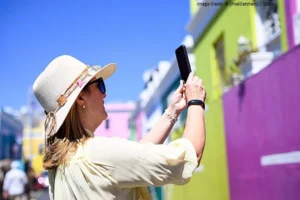
Many women who have traveled to South Africa have had good experiences, but it’s advisable for women travelers, especially those who are traveling alone, to do the following:
Stay alert: When you’re moving, especially at night, be careful. Try to go on trips with people you know. Tell people you trust, like hotel staff, where you’re going.
Use your phone: Download an app like Noonlight to stay safe while you’re out and about, and use the GeoSure app to get safety tips for various neighborhoods.
Dress appropriately: South Africa is a very modern country, but it’s still best to dress modestly when you’re out in the country.
So, is it safe in Cape Town?
In my experience, Cape Town is perfectly safe as long as you abide by these safety tips and use common sense.
Whether you’re hiking Table Mountain, tackling Lions Head, or swimming in the Atlantic Ocean, Cape Town’s most popular tourist destinations are well worth a visit.
If you’re smart, stay alert, and trust your gut, you can have an amazing time in this beautiful city.
Like any place, the key is to be cautious and prepared, and you’ll be able to enjoy everything Cape Town has to offer without worry.
Conclusion
When visiting Cape Town, being cautious and taking common-sense precautions will ensure a safe and enjoyable trip.
By following safety tips and staying aware of your surroundings, you’ll be able to experience all the wonderful attractions the city has to offer.
From hiking to Lions Head to enjoying the beaches, Cape Town can be a safe destination for those who plan ahead and stay alert.
So, if you’re wondering is Cape Town safe, with the right precautions, you can confidently enjoy your travels and have an amazing time!

A travel writer sharing informative guides, tips, and itineraries to help travelers explore the world smarter.