




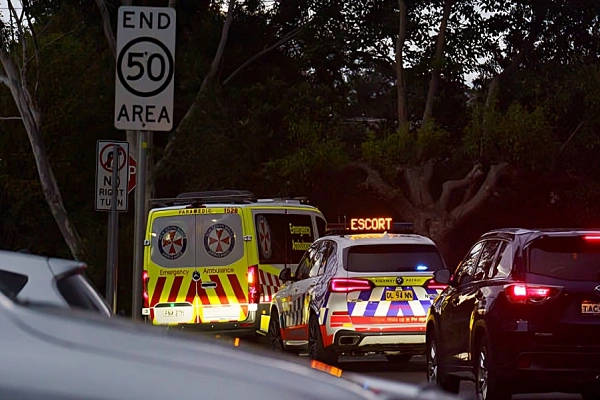
Is Sydney safe for travelers and residents? This question tops the list for anyone planning a visit to Australia’s most iconic city. Every year, millions of people from other countries visit Sydney, which is constantly ranked as one of the safest major cities in the world.
Knowing how safe Sydney is can help you make smart choices, whether you’re a single woman traveling alone, a family on holiday, or a digital nomad.
This complete guide looks at crime rates, neighborhood safety, transit safety, natural disasters, and useful advice to make sure your time in Sydney is memorable for all the right reasons.
Solo Female Travel Safety in Sydney
Women who travel alone say that Sydney is very hospitable and safe. People in the city value their own space and safety. In most communities, women can walk alone during the day without worrying.
Sydney is a great place for backpackers, and it makes it easy for solo travelers to meet new people.
Hostels and cheap places to stay are made just for those traveling alone. They provide safe lockers, dorms for women only, and planned group activities. The Royal Botanic Gardens, beaches, and tourist spots are still safe places to explore on your own.
Standard safety measures should be taken in cities at night and in the evening. Stay in well-lit places, use ridesharing services or licensed taxis instead of walking long distances after dark, and let friends or family know where you are.
If anything doesn’t feel right, trust your gut and leave right away.
Navigating Public Transport Safely
Sydney’s public transportation system is well-connected and makes it easy to get to all the main sites. Knowing when to go and taking simple safety measures will make your trip more comfortable and safe.
Train Services
The rail network operates reliably, though timing matters. NSW Bureau of Crime Statistics and Research data shows most incidents occur between 6:30 PM and 6:00 AM.
Late-night travelers should position near other passengers and avoid empty carriages. Emergency help points appear throughout stations, monitored by CCTV.
During peak hours (7:00-9:00 AM and 4:30-6:30 PM), trains pack with commuters. While crowded conditions feel uncomfortable, they provide safety through visibility. Midday trains between tourist attractions maintain steady patronage.
Buses and Light Rail
Bus services cover all of Sydney. Routes that go to tourist regions operate often and have strong lighting and security. The new light rail line that runs from Central Station to Circular Quay and beyond is a nice, safe alternative to trains.
Ferry Adventures
Ferries over Sydney Harbour are the safest way to get around and also a great way to see the sites. Professional crews follow strict marine safety rules on the routes to Taronga Zoo, Manly, and Watsons Bay.
Services are available from early morning until late evening, and on weekends they are available less often but still plenty.
Taxis and Rideshares
Licensed taxis undergo rigorous government inspections. Look for clear identification, working meters, and displayed driver details. Share trip details with contacts when using any car service.
Rideshare apps provide built-in safety features including trip tracking, driver ratings, and estimated arrival times.
Beach Safety
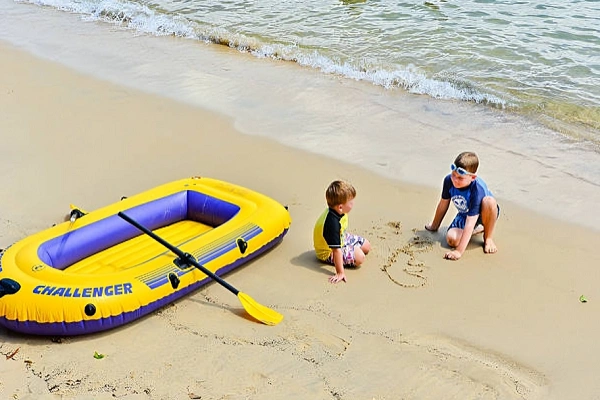
Sydney’s beaches dazzle, but the ocean demands respect. Drowning tragically ranks among leading causes of tourist fatalities across Australia. Understanding conditions and following lifeguard guidance prevents disasters.
Families traveling with children should also check Kid-Friendly Beaches in Sydney, as some beaches offer calmer waters, ocean pools, and safer swimming conditions for younger visitors exploring Sydney’s coastline in Australia.
The Golden Rule: Red and Yellow Flags
Always swim between the red and yellow flags that show where lifeguards are on duty. Trained surf lifesavers keep an eye on these locations all the time since they know the local conditions, rips, and dangers. Going outside of designated regions makes things a lot more dangerous.
Rip Current Awareness
Most people drown at the beach because of rips, which are violent currents that draw away from shore. They look like darker, calmer water channels between waves that are breaking. Don’t resist it if you get caught in a rip.
Swim parallel to the shore until you’re free, then turn back toward the beach. If you need aid, signal for it.
Sheltered Swimming Options
Bondi Beach features an ocean pool providing protected swimming. Sydney Harbour beaches offer calmer conditions ideal for families and inexperienced swimmers. Coogee and Bronte also maintain ocean pools perfect for relaxed swimming.
Marine Life
Sydney swimmers don’t often have to deal with serious aquatic dangers. Even though the media pays a lot of attention to them, shark attacks are still very rare. When heavy winds blow, bluebottle jellyfish wash up on the beach.
Beach warning signs show that they are there. Stings hurt, but they seldom lead to major problems.
Never swim by yourself, when you’re drunk, or right after a big meal. These three things make other hazards much worse.
Sun Protection and Climate Considerations
Because of where it is and how the weather is, Australia gets some of the highest levels of UV radiation on the planet. This is one reason why the country has the highest incidence of skin cancer in the world.
People from nations in the northern hemisphere often don’t realize how strong the sun is in Australia.
Between 11:00 AM and 3:00 PM, UV radiation is at its highest. During these hours, look for shade, wear protective clothing, and put on a lot of SPF30+ water-resistant sunscreen often.
Wide-brimmed hats and sunglasses that block UV rays are two other ways to protect yourself from radiation damage.
The weather in Sydney changes with the seasons. Summer (December to February) offers hot, often very hot, weather that requires you to stay hydrated and be alert of the heat.
When you go to outdoor attractions, you can get dehydrated rapidly. Bring water bottles with you and take breaks in air-conditioned places.
Wildlife Encounters Separating Myth from Reality
Australia’s dangerous wildlife reputation exceeds reality, particularly in urban Sydney. However, awareness about potential encounters demonstrates wisdom rather than paranoia.
Snake Situations
Sydney’s outskirts and woodlands are home to a number of poisonous snakes. The common death adder sometimes shows up in gardens in the suburbs. You should never try to touch or get close to snakes.
If you get bitten, remember what the snake looks like (for antivenom identification), keep the afflicted leg still, and call 000 right away.
Most of the time, people come across snakes when it’s warm and they’re active. Be careful where you put your hands and feet in the jungle. When you go trekking, wear shoes that are closed.
Spider Awareness
The Sydney funnel-web spider is one of the most hazardous spiders in the world, and it deserves its scary name. They live in gardens, woodpiles, and sometimes even homes.
Before you wear shoes and clothes that have been outside, check them. You need to get emergency help right away if you were bitten by a funnel-web spider, although antivenoms work quite well if you get them right away.
Redback spiders also live in Sydney, but they aren’t as scary. Bites hurt, but they don’t often kill, especially with current medical care.
Tick Troubles
The Australian paralysis tick attaches during bushwalking or time spent in coastal vegetation. These tiny creatures inject toxins causing progressive paralysis if left undetected.
After outdoor activities, conduct thorough tick checks on yourself and children. Remove ticks promptly using proper technique or seek medical assistance.
Realistic Risk Assessment
The city of Sydney makes it much less likely that people will come across wildlife. If you don’t look for them, you’ll probably never see a funnel-web spider or a poisonous snake.
Millions of people in Sydney go their whole lives without having any problems with deadly animals. Awareness only makes sure you’re ready if something unexpected happens.
Health Care and Travel Insurance
Australia has some of the best healthcare in the world, yet it can be pricey for tourists to get medical care. Comprehensive travel insurance is a must-have for protecting yourself against medical emergencies, accidents, theft, and trip delays.
Australia has Reciprocal Health Care Agreements with a number of other nations. These agreements give people from those countries limited access to subsidized medical services through Medicare.
But these agreements don’t cover every situation, so it’s always a good idea to get extra insurance.
If you want to go scuba diving, rock climbing, surfing, or any other action sports, your insurance should cover those activities. Most regular insurance doesn’t cover these activities, therefore you need to add riders or increase your coverage.
Keep your insurance papers on your phone and in a physical form that you can get to easily. If you need them, you should be able to easily find emergency contact numbers, policy details, and how to file a claim.
Accommodation Security Practices
Safety extends beyond neighborhood selection into your actual lodging. Whether staying in luxury hotels, budget accommodation, or hostels, maintaining security awareness protects belongings and personal safety.
Basic Security Habits
Lock doors and windows when leaving rooms or sleeping—sounds obvious, yet remains frequently neglected. Use room safes for passports, cash, electronics, and jewelry. Never open doors without verifying visitors through peepholes or contacting front desk staff.
Hostel Dormitory Considerations
When backpacking through Sydney, you’ll probably stay in a hotel. In general, these social settings are safe, but you need to be extra careful. Keep goods in lockers that are locked.
Keep important things with you, like your passport, phone, and cash, when you take a shower or leave for a short time. Bags can be locked to beds or other objects with cable locks.
Hostels are often targets for theft because goods are left out in plain sight while owners take a shower or go to sleep. Most problems can be avoided by taking simple steps.
Sharing Location Information
Inform trusted contacts of accommodation details. Location-sharing apps allow friends or family to monitor your whereabouts. This practice provides particular value for solo travelers, adding a safety net without restricting independence.
Driving Safety and Road Rules
International visitors can drive in Australia with valid licenses and appropriate documentation. Drivers must carry licenses in English or obtain an International Driving Permit from their home country before departure.
Australian vehicles feature right-side steering wheels, and traffic travels on the left side of roads. This configuration confuses visitors from right-hand traffic countries. Accidents frequently occur when tired drivers instinctively revert to familiar patterns on isolated roads.
Remember: drivers position closest to the road’s center, with oncoming traffic passing on the driver’s side. Roundabouts, particularly multi-lane versions, require attention to proper lane usage and right-of-way rules.
Australian distances often exceed visitor expectations. Sydney to Melbourne, for example, requires approximately nine hours of continuous driving. Plan rest stops, share driving responsibilities, and never drive fatigued. Roadside rest areas provide safe stopping points.
Emergency Contacts and Resources
Knowing how to access help when needed provides essential peace of mind.
Emergency Number
Dial 000 for police, ambulance, or fire services. Operators determine appropriate response based on situation descriptions. This number functions from any phone, including mobiles without credit.
Non-Emergency Police
Contact 131 444 for police assistance not requiring immediate response. This includes reporting thefts, requesting crime reference numbers for insurance claims, and general inquiries.
Tourist Information
Information centers throughout Sydney provide assistance with directions, attraction recommendations, and minor concerns. Staff speak multiple languages and understand visitor needs. Major locations include Circular Quay, CBD, and Sydney Airport.
Smart Traveler Habits
Final tips for maximizing safety throughout your Sydney adventure:
Don’t show off expensive tools, cameras, or jewelry when you don’t have to. Keep bags that close tightly in front of your body when you’re in a crowded place.
Make copies of important papers like insurance contracts and passports. Keep copies away from the originals. Keep digital copies in the cloud where they are safe.
Keep your cell phones charged before you go sightseeing. Functional phones let you get to maps, call emergency services, and talk to people.
News and weather alerts can help you stay up to date on what’s going on in the world. Transport problems and the weather in the area can help you change your plans as needed.
Believe your gut. If something makes you feel bad, get away from it. Your intuition takes in subconscious cues from the world around you; pay attention to those signs.
Final Thoughts
Millions of people visit Sydney every year because it lives up to its image as a safe and friendly place to visit.
By knowing how neighborhoods work, being aware of natural dangers, following safety rules for transportation, and staying basicly aware of their surroundings, tourists can have memorable experiences in Sydney without any problems.
You can feel safe and confident exploring the city’s beautiful beaches, historic buildings, ports, and lively culture.

A travel content creator providing destination insights, practical advice, and travel inspiration for every journey.