




Copenhagen, the capital city of Denmark, is a destination that captures the heart of every traveler.
Whether you are looking to explore its rich history, immerse yourself in its vibrant culture, or simply relax amidst its picturesque streets, Copenhagen offers something for everyone.
From ancient castles to modern marvels, here’s a guide to the best things to do in Copenhagen, showcasing the must-visit places and activities.
This comprehensive list draws from the best suggestions across multiple travel blogs, offering you the ultimate travel experience.
Highly popular Things
1. Explore the Historic Tivoli Gardens
When you think of Copenhagen, Tivoli Gardens is likely the first attraction that comes to mind.
Opened in 1843, Tivoli is the second-oldest amusement park in the world and one of Copenhagen’s most beloved landmarks.
With its combination of thrilling rides, beautiful gardens, and live performances, Tivoli is a magical place for visitors of all ages.

The park features various sections, including roller coasters, gentle carousels, and beautifully landscaped gardens perfect for relaxing strolls.
Tivoli at night is a particularly magical experience when thousands of lights illuminate the area.
Don’t miss the opportunity to explore its delightful food stalls and snack on traditional Danish treats like hot dogs and pastries while enjoying the lively atmosphere.
If you’re a thrill-seeker, the Demon roller coaster is sure to get your heart racing, while those looking for something more tranquil can enjoy the park’s lush gardens, ideal for peaceful reflection.
Tivoli also hosts seasonal events, such as the Christmas market, which is a must-see if you’re visiting in winter.
2. Nyhavn: Copenhagen’s Iconic Waterfront
Next on our list is Nyhavn, perhaps the most recognizable location in Copenhagen. This lively canal, surrounded by brightly colored 17th-century buildings, is the perfect place for a leisurely walk or a relaxing drink.
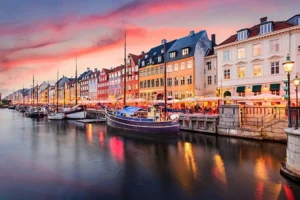
While strolling along the canal, be sure to grab a table at one of the waterfront cafes to enjoy a meal with a view. Danish seafood, particularly fresh fish dishes, is a must-try here.
The area is often filled with street performers and musicians, adding to the lively atmosphere.
Don’t forget to take some time to visit the historic ships that are docked in the canal—these vessels are a nod to Copenhagen’s maritime heritage.
3. Visit the Magnificent Rosenborg Castle
Rosenborg Castle, one of the most impressive historical buildings in Copenhagen, is a must-visit for anyone interested in Denmark’s royal history.
Built by King Christian IV in the early 1600s, this Renaissance-style castle is home to the Danish royal family’s Crown Jewels and royal regalia.
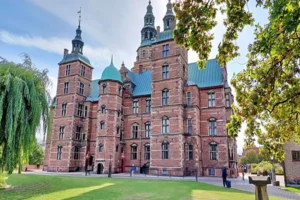
The castle’s interior is rich in art, ornate furniture, and historical artifacts that provide an insight into the lives of Denmark’s royals throughout the centuries.
The King’s Garden, surrounding the castle, is a beautiful park where visitors can enjoy a leisurely walk or picnic.
During the spring and summer, the garden is filled with blooming flowers, making it a great spot to relax after touring the castle.
Don’t forget to check out the royal chambers, which are beautifully preserved, showcasing the luxury of royal living.
Rosenborg is not just a beautiful structure but a historical landmark that has played a vital role in Danish culture.
4. Discover the Secret of Christiania
Christiania, an autonomous neighborhood founded in 1971, offers a vibrant, free-spirited atmosphere where visitors can explore colorful murals, art galleries, and quirky shops.
The area is a hub for artists and musicians, with local cafes adding to its creative energy.
While Christiania is known for its countercultural lifestyle, it is also incredibly welcoming to visitors, giving a glimpse into an alternative way of life that’s different from the rest of Copenhagen.
5. Visit the National Museum of Denmark
The National Museum of Denmark is the perfect place to explore the rich cultural and historical heritage of the country.
Located in the heart of Copenhagen, this museum houses an extensive collection of exhibits, ranging from Viking artifacts to royal treasures.
The museum offers detailed insights into Denmark’s fascinating past, with exhibits dedicated to various historical periods, including the Viking Age, the Middle Ages, and more.
The museum’s collection of Danish and European history is expansive, and it also has exhibits from other parts of the world.
If you’re interested in learning about Denmark’s maritime history, you can explore the museum’s seafaring displays, which tell the story of Denmark’s seafaring roots.
For a more hands-on experience, there are interactive exhibits designed for children and families, making the museum a great stop for visitors of all ages.
6. Take a Walk Around The Round Tower
For a bit of history combined with panoramic views of the city, head to the Round Tower.
Built in the 17th century, it’s an ancient observatory and is one of Copenhagen’s oldest and most beloved landmarks.
Climb to the top to get a spectacular view of the city’s rooftops. The tower is also home to an exhibition space and a charming library.
7. Visit the Copenhagen Zoo
The Copenhagen Zoo, one of the oldest zoos in Europe, is a great place to visit with children.
It’s home to over 4,000 animals from around the world, including a variety of endangered species.
The zoo is particularly known for its innovative exhibits, including the elephant house, designed by renowned architect Norman Foster.
In addition to the elephant exhibit, the zoo features sections dedicated to various animals, including polar bears, giraffes, and lions.
Visitors can also learn about conservation efforts and the zoo’s commitment to animal welfare. If you’re visiting Copenhagen with family, this is a great destination to spend an afternoon.
8. Shop at Strøget
Strøget is one of the longest pedestrian streets in Europe, and it’s the beating heart of Copenhagen’s shopping scene.
Stretching from City Hall Square to Kongens Nytorv, Strøget is lined with everything from luxury designer boutiques to unique Danish shops.
Whether you’re in the mood to browse high-end fashion or find a special souvenir, Strøget offers a diverse shopping experience.
You’ll also find a variety of cafes and restaurants along Strøget, offering the perfect opportunity to relax and enjoy some of Copenhagen’s best pastries or coffee.
For a truly local experience, try a Danish pastry from one of the famous bakeries in the area.
9. Experience Danish Hygge in Cozy Cafes
The Danish concept of Hygge (pronounced hoo-gah) is about creating a cozy, comforting atmosphere, and Copenhagen is filled with plenty of places to experience this.
Find a cozy cafe, wrap up in a blanket, sip on hot chocolate or coffee, and let the warmth of hygge envelop you.
Many cafes in Copenhagen provide an inviting and intimate setting that makes it easy to relax and enjoy the simple pleasures in life.
10. Explore the Modern Art at Louisiana Museum of Modern Art
If you’re an art lover, make sure to visit the Louisiana Museum of Modern Art, located just outside Copenhagen.
The museum features a world-class collection of contemporary and modern art, including works by Picasso, Warhol, and many other prominent artists.
The museum’s setting is equally impressive, with stunning views of the surrounding landscape and the sea.
One of the highlights of the Louisiana Museum is its sculpture park, where visitors can enjoy outdoor art amidst a beautiful natural setting.
It’s a peaceful, serene environment that offers the perfect backdrop for reflecting on the art and enjoying the surrounding nature.
11. Take a Boat Tour of the Harbor
Copenhagen’s harbor is both historically rich and picturesque. A boat tour is an excellent way to see the city’s architectural wonders and waterfront areas from a different perspective.
The boat will take you past the iconic Opera House, the Little Mermaid, and the beautiful canals that have been part of Copenhagen for centuries.
Don’t leave your camera behind; there will be some great photo ops!
12. Enjoy Copenhagen’s Christmas Markets
If you visit Copenhagen in winter, the Christmas markets are a must-see.
The most famous market is held at Tivoli Gardens, but there are several others around the city, including at Nyhavn.
You’ll find beautifully decorated stalls selling everything from handcrafted gifts to delicious hot drinks and snacks, creating a festive atmosphere that’s perfect for a winter visit.
13. Indulge in Danish Cuisine
Copenhagen is a food lover’s paradise, with a culinary scene that blends modern gastronomy with traditional Danish flavors.
From fine dining at Michelin-starred restaurants to street food at Reffen (Copenhagen’s street food market), there’s something for every palate.
Don’t forget to try some iconic Danish dishes like smørrebrød (open-faced sandwiches), Danish pastries, and New Nordic cuisine.
Hidden Things to Do in Copenhagen
- Assistens Cemetery: A peaceful cemetery where famous figures like Hans Christian Andersen are buried, and a quiet place to relax.
- The Cisterns: An underground art space in a former water reservoir with immersive art exhibitions.
- Christiania’s Hidden Cafes and Studios: Explore the artistic studios and hidden cafes within Copenhagen’s free-spirited neighborhood.
- Hidden Bars in Vesterbro: Secret speakeasy bars with unique entrances, perfect for experiencing local nightlife.
- Amager Beach Park: A peaceful beach area close to home where you may spend a pleasant day away from the crowds
- Meatpacking District (Kødbyen): A trendy area with art galleries, stylish restaurants, and a cool, local vibe.
- Superkilen Park: A park with international features that honors diverse cultures with colorful and beautiful displays.
- Sankt Annae Plads: A peaceful square filled with cafes and a more tranquil atmosphere.
- Frederiksberg Gardens: A beautiful, lesser-known green space ideal for a calm walk or picnic.
- The Royal Danish Arsenal Museum: A hidden military museum showcasing Denmark’s weapons and history.
Many travelers who enjoy picturesque European cities like Copenhagen also ask Is Annecy Worth Visiting, as both destinations share beautiful waterfront views, historic streets, and a relaxed atmosphere.
Final Thoughts
There is something for everyone in Copenhagen. Whether you’re interested in history, culture, shopping, or simply relaxing in a picturesque setting, this Danish capital has it all.
From the whimsical charm of Tivoli Gardens to the alternative spirit of Christiania, Copenhagen blends tradition and modernity in a way that is uniquely captivating.
Don’t miss out on the historic sites, the beautiful parks, and the vibrant neighborhoods that make this city so special.
Whether you’re visiting for a few days or staying longer, Copenhagen promises an unforgettable experience that will stay with you long after you’ve left.
Best Time to Visit Copenhagen
Copenhagen is most lively during the spring and summer months, when the weather is warm and the days are long.
The best times to visit are in May, June, and September, offering a perfect balance of pleasant weather and fewer crowds.
July tends to be quieter as many locals take holidays, while August sees a peak in tourism, making it busier.
During the winter season, Copenhagen adopts its hygge (cozy) atmosphere.
The city is beautifully decorated for the holiday season, especially at Tivoli Gardens, which features a spectacular holiday light display.
How Long to Stay in Copenhagen
A stay of at least 3 nights/4 days is recommended for Copenhagen, though 5 nights/6 days would be ideal.
The city offers more to explore than it may initially appear, and it encourages a slower pace, allowing visitors to fully experience its attractions, culture, and ambiance.
Where to Stay in Copenhagen
Indre By: The historic center, which is close to main attractions, restaurants, and shopping centers.
Vesterbro: A vibrant district known for its lively atmosphere, diverse dining, and unique boutiques.
Nørrebro: Trendy and diverse, with a mix of culture, dining, and street life.
Østerbro: A peaceful and quieter area with parks and residential streets.
Christianshavn: Scenic canals, upscale dining, and a trendy vibe.
Copenhagen offers a variety of accommodation options, from luxury hotels to budget-friendly hostels, suitable for every style of travel.
Where to Eat in Copenhagen
Noma: Renowned for its innovative Nordic cuisine, this Michelin-starred restaurant is a must-visit for food enthusiasts.
Torvehallerne: A popular food market offering a wide variety of fresh produce, gourmet foods, and street food stalls.
Smørrebrød: Try this traditional Danish open-faced sandwich at local spots like Aamanns or Restaurant Schønnemann.
Kødbyen (Meatpacking District): Known for its trendy restaurants and bars, serving everything from modern Scandinavian dishes to international cuisine.
Papirøen: A waterfront area home to food trucks offering diverse street food options, perfect for casual dining.
Reffen: A street food market with global flavors, located along the harbor in the industrial area of Refshaleøen.
Copenhagen offers a rich culinary scene, from fine dining to casual eateries, ensuring something for every palate.
FAQs
What is the best place to visit for first-time visitors in Copenhagen?
For first-time visitors, Tivoli Gardens and Nyhavn are the best starting points as they offer a mix of history, entertainment, and local culture in one place.
How many days are enough to explore Copenhagen?
A trip of 2 to 4 days is ideal to explore Copenhagen comfortably, including major attractions, museums, and nearby destinations like the Louisiana Museum of Modern Art.
Can I do day trips from Copenhagen?
Yes, Copenhagen is an excellent base for travel, and many visitors take Day Trips from Copenhagen to places like Malmö, Helsingør, and the Louisiana Museum of Modern Art.
Is Copenhagen an expensive city to visit?
Yes, Copenhagen is considered an expensive city, but you can save money by using public transport, visiting free attractions, and exploring parks and markets.
What is the best time to visit Copenhagen?
The best time to visit is late spring to early autumn (May to September) for pleasant weather. Winter is also great if you want to experience Christmas markets.
Is Tivoli Gardens worth visiting?
Yes, Tivoli Gardens is one of Copenhagen’s most iconic attractions and is worth visiting for its rides, gardens, entertainment, and seasonal events.

A travel content creator providing destination insights, practical advice, and travel inspiration for every journey.