


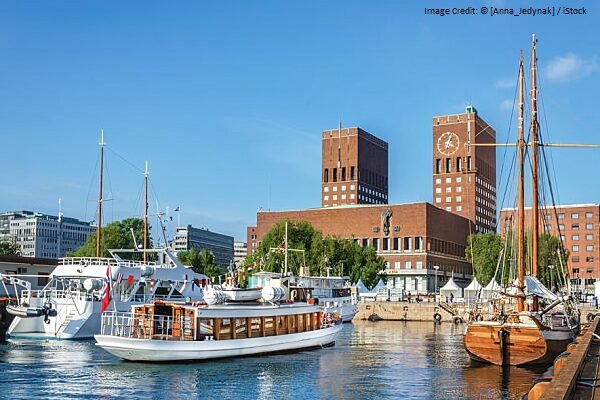
Oslo, the capital city of Norway, stands as a polarizing city in the world of travel. While some may view it as dull or even ugly, others find it to be a beautiful and intriguing place to explore.
As the largest city in Norway, with a population of around 630,000, it offers a unique blend of modernity and history.
Nestled on the southeastern side of the country, Oslo is home to a mix of spacious areas, wooden houses, and dramatic views of the fjord, making it pleasing to the eye.
A city of contrasts, Oslo is known for its modern architecture and the closeness to nature, offering plenty of experiences whether you’re here for a weekend trip or to enjoy the city’s culture and history over two days in Oslo.
With an open mind, you’ll discover its special charm and how it’s absolutely worth the stop on any Norwegian adventure.
While some people might consider Oslo soulless, those who take the time to explore the city will quickly realize there is a lot to experience.
Oslo offers everything from Europe’s best museums to good food and plenty of opportunities to enhance your well-being.
The city offers an ideal balance of nature and urban life, where you can unwind in floating saunas, walk through historical streets, and explore its unique blend of the old and new.
With enough time, you can truly appreciate its beautiful landscapes, enjoy the city’s adventure-focused vibe, and dive into its culture.
Whether you’re spending one day or one week, Oslo’s rewarding start to a Norwegian adventure will leave you with lasting memories of this pleasing yet intriguing European capital.
Top Attractions (Must-See)
1. Oslo Opera House
The Oslo Opera House, which opened in 2008, is one of the most famous sites in the city and a milestone in Oslo’s transformation over the last decade.
Located right next to Oslo Central Station, it’s an easy spot to visit when you first arrive by train or bus on your Oslo trip.
The Opera House has become a central part of the city’s landscape, symbolizing how Oslo has changed in good ways.
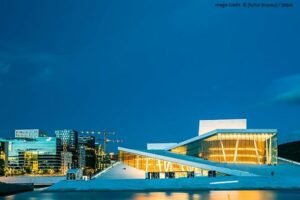
It’s no longer just a traditional capital but one that’s becoming cool with its blend of culture and modernity.
On sunny days, it turns into a popular summer hangout, where locals and visitors alike enjoy sunbathing on the building’s striking angled roof.
In winter, the venue transforms into a magical place, offering a range of winter activities.
Whether you’re looking to watch a performance or simply soak in the architecture and ambiance, visiting the Oslo Opera House is always one of the top things to do in Oslo, and I highly recommend it.
2. Oslofjord Cruise & Island Hopping
One of the most enjoyable ways to spend the day during a trip to Oslo is island-hopping in the stunning Oslofjord.
I recently visited with a friend in May 2025, and we had an amazing time exploring islands like Nakkholmen, Lindøya, and Langøyene, all accessible by a short ferry ride from Oslo’s city center.
These islands are perfect for a relaxing escape, just 10 minutes away, offering beautiful landscapes and serene spots to unwind.
I’d recommend starting your day early and hopping between at least five islands, including Hovedøya and Bleikøya, which were definitely highlights.
The best part? You can use a standard public transport ticket, which you can easily buy through the Ruter app on iOS or Android.
A 24-hour ticket costs around 132 Norwegian Kroner (about $12.25, £9.50, or €11.35) and covers all your travel within one zone.
The spring and summer months are ideal for this activity, with plenty of daylight hours, but even in December, the islands still offer a peaceful retreat from the city hustle.
3. The Royal Palace
A visit to the Royal Palace should definitely be top of the list when deciding what to do in Oslo.
Located at the end of Karl Johan, this is the official residence of the king of Norway, and while you can’t exactly knock on the door to see if the king is home, the experience of walking up to the grand palace will leave you in awe.
It’s a great spot to enjoy the people and atmosphere, especially in the summer when the gardens are in full bloom.
If you’re keen to enter, tickets are available online for a reasonable price—230 NOK for adults and 110 NOK for children and students.
It’s a perfect way to get closer to Norwegian royalty and history while exploring the heart of Oslo.
4. Akershus Fortress
A visit to Akershus Fortress, a historic medieval castle completed in the 1300’s, is a must-do when exploring Oslo.
Located by the harbor, the fortress offers stunning views of the city and the fjord, making it an ideal spot to take in the scenery.
A short 10-15 minute walk from most hotels, the fortress is a great place for families to explore, offering both history and beautiful surroundings.
Inside, you’ll find 2 museums to check out, and the best part is that admission is free!
It’s a perfect destination on sunny days, where you can enjoy both the historical significance and the waterfront views.
Whether you’re a history enthusiast or simply looking to enjoy a peaceful place in the heart of Oslo, Akershus Fortress is sure to impress.
5. Munch Museum
During my trip to Oslo in June 2025, one of the highlights was visiting the Munch Museum, which recently moved to its current waterfront location.
The museum is a fantastic tribute to Norway’s most famous artist, Edvard Munch, and offers a chance to explore his exhibits and iconic paintings, including some of his most celebrated works.

As you wander through, you can learn about Munch’s life, his time in Paris, and his experiences in other cities.
The museum itself offers an excellent view of the city, making it an even more rewarding experience.
After exploring the exhibits, you can relax at the café, though it’s a bit on the expensive side.
Remember to buy tickets online before your visit to avoid the queues, and don’t forget to use the cloakrooms for your jackets and small bags while you enjoy the art.
6. Frogner Park & Vigeland Sculpture Park
On a beautiful sunny day in summer, you must definitely come here to Frogner Park, the biggest park in central Oslo.
It’s home to Vigeland Sculpture Park, Oslo’s most popular attraction, featuring over 200 of Gustav Vigeland’s sculptures.
The sculptures are truly fascinating, with some even considered bizarre, and they offer a unique blend of art and nature.
Whether you’re strolling through the park or simply enjoying the weather, it’s an experience that makes you appreciate Oslo’s dedication to both culture and the outdoors.
Frogner Park and Vigeland Sculpture Park are absolutely worth visiting and a perfect spot to immerse yourself in the city’s beauty.
7. Holmenkollen Ski Jump
A visit to Holmenkollen Ski Jump offers one of the best views of Oslo, especially if you’re exploring the area on a pleasant day.
You can check out the ski jumps and marvel at the structure, or head to the ski jumping museum to learn about the sport and its history, with exhibits that show real life moments of athletes flying off the jump.
For an even more immersive experience, try the ski simulator, which lets you feel what it’s like to take on the jump.
The area itself is easily accessible via the metro, making it a convenient and exciting destination.
Whether you’re just admiring the views or getting a little crazy with the simulator, Holmenkollen is a must-see, offering a unique combination of sport, history, and breathtaking scenery.
Museums & Culture
8. Norwegian National Museum
The National Museum in Norway holds the country’s largest art collection, featuring iconic pieces such as Edvard Munch’s The Scream.
9. Viking Ship Museum (Museum of the Viking Age)
During my recent trip to Oslo, I couldn’t miss the Viking Ship Museum, even though it’s currently closed for rebuilding and slated to reopen as the Museum of the Viking Age in 2025 or 2026.
For anyone looking for fun things to do in Oslo with kids, this museum is a must.
People often adored the experience when I spoke to other travelers, and I can definitely recommend coming here even as a child, since the preserved Viking ships and artifacts offer an incredible glimpse into the lives of the Vikings.
I remember checking out the exhibits and being amazed by the craftsmanship; it’s one of those experiences that really makes you appreciate the history while also keeping it fun and engaging.
10. The Fram Museum
If you’re planning your day around museums in Oslo, the Fram Museum is a standout, showcasing a 19th century polar ship museum that truly captures the spirit of exploration.
I found it near the previous museum, so it’s easy to visit both on the same day, and with the Oslo City Pass, you can use public transit, cover museum fees, and even enjoy restaurant discounts, making it simple to save money while maximizing activities.
From the moment I stepped inside, the exhibits were immersive, and the Northern Light Shows added an unexpected thrill.
For anyone planning a trip and wanting to consider logistics, this stop is easily knocked out without rushing, making it one of the most efficient and enjoyable museum visits in the city.
11. Kon-Tiki Museum
Visiting the Kon-Tiki Museum in Oslo instantly brought back memories of my English class in 9th grade, where we had to give oral reports on a nonfiction book, and I had chosen Kon-Tiki to report on.
Everyone was fascinated by the unbelievable story of Thor Heyerdahl and his epic raft journey across the Pacific Ocean in 1947, and I gave my presentation with the same excitement I felt when walking through the exhibits, getting to learn all about Heyerdahl’s adventures firsthand.
Silvia would have loved it too, as the museum really makes you feel the magnitude of the expedition that supposedly changed the way people think about exploration across oceans.
12. Norsk Folkemuseum
Taking a taxi or Uber to the Norsk Folkemuseum was absolutely worth it, as the museum houses a remarkable collection of medieval buildings and engaging cultural exhibitions that I thoroughly enjoyed.
Walking through the timescapes, I admired the intricate art, traditional clothing, and historical tools spanning the 1600’s-1900’s, and couldn’t help looking around and thinking of how people lived in such various eras.
Every corner invites visitors to connect with history, making it a truly immersive experience that goes beyond a typical museum visit.
13. Nobel Peace Center
Stepping into the Nobel Peace Center, which recently reopened after extensive renovations, I was truly glad to experience a museum that’s both interesting and deeply moving.
The stories of Alfred Nobel, the Peace Prize, and the Peace Prize laureates provide a unique source of inspiration, leaving visitors with a sense of renewed optimism about the state of the world.
It’s easy to find yourself reflecting and thinking how much one person can achieve, and this center elegantly bridges history with present-day relevance, making it a must-see for anyone exploring Oslo.
City Life & Famous Areas
14. Karl Johans Gate (Oslo’s Main Street)
One of the best ways to explore Oslo is on a walking tour or simply wandering along the beautiful streets of Karl Johans Gate, where the bustling streets come alive with energy.
I opted for an electric scooter, riding it was so fun, and after I downloaded the ryde app to get started, it proved to be easy, affordable, and a great way to get around the city.

I can recommend this experience, though I admit wearing a skirt on a windy day might not be ideal HAHA.
People everywhere made it lively, and thank goodness I’ll never see them again, but the memories of zipping through Oslo this way were unforgettable.
15. Aker Brygge & Tjuvholmen
Strolling through Aker Brygge, arguably the cutest part of the city, I found myself enjoying the scenery by the water with chairs set up for relaxing, while outdoor restaurants and shopping made the area feel packed and lively during the summertime.
The charm of waterfront eating in this place in Oslo was unforgettable, with magical moments that peeked through like a shot from Prague 2.0, and in the distance, I could see a castle and fortress that made walking up an enticing option.
Tjuvholmen, a residential area nearby, invites visitors to walk around while enjoying fjord views, modern architecture, and a pleasant vibe, topped off by the Astrup Fearnley Museum of Modern Art.
It also serves as a handy departure point for ferries, tours, and public transport, making it seamless to explore more of the city.
16. Grünerløkka
Exploring Grünerløkka, Oslo’s hipster neighborhood, was an absolute delight, with small independent boutiques, vintage shopping, cafés, restaurants, bars, and music gigs around every corner.
Following some advice I found on the internet, I discovered it’s the perfect hipster place, complete with nifty vegan spots and cute cafés like Cultivate food near the tram stop.
I can recommend taking time to relax here, though my failed attempt to hike Grefsenkollen earlier that morning reminded me that a clear day in winter is essential, as challenging fog, slippery slopes, and the hard trek to get all the way up in the thick of December can be tough.
Eventually, I turned around and returned to the city center, but the experience of going through Grünerløkka was unforgettable.
Nature & Outdoor Experiences
17. Nordmarka (Tram Ride & Nature)
One of the most refreshing ways to get out of Oslo, Norway’s biggest city, is by public transport.
I took the tram to Hollmenkollen, which is the start of Nordmarka, the main outdoor recreational area filled with beautiful nature perfect for hikes or cross-country skiing.
My mom, back when she was a student, would bring her skis in winter and pretend she was in the mountains of Telemark where she grew up, and I could totally see why.
From Tryvann to Frognerseteren, this ride through Oslo’s Norwegian city landscape is one of those experiences that combines tranquility with adventure while exploring the city in a completely unique way.
18. Grefsenkollen Hike
Attempting the Grefsenkollen hike in Oslo during winter proved surprisingly challenging, with fog, slippery slopes, and the hard effort to get all the way up in the thick of December.
On a clear day, the view from the top would have been spectacular, but I quickly realized I wouldn’t see a single thing and eventually turned around, making my way back to the city center.
Despite the tough conditions, the experience of going up the hill and navigating the trails left me with a strong sense of accomplishment.
Conclusion
Oslo is a city that offers a unique mix of history, culture, nature, and modern experiences.
From exploring iconic landmarks like the Royal Palace and Oslo Opera House, to immersing yourself in nature with a peaceful Oslofjord cruise or hiking in Nordmarka, there’s something for everyone.
Whether you’re intrigued by the artistic legacy of Edvard Munch or captivated by the architectural beauty of the Holmenkollen Ski Jump, Oslo has a variety of must-see attractions that make it a rewarding destination.
With the combination of cultural, outdoor, and nature-focused experiences, you’re sure to have a fulfilling adventure in Norway’s vibrant capital.
10 Things to Do in Helsinki: Key Highlights

A travel content creator providing destination insights, practical advice, and travel inspiration for every journey.