
Planning wildlife safari tours in South Africa means stepping into one of the most diverse wildlife destinations on the planet.
From the open savannahs of Kruger National Park to the remote reserves of the southern Kalahari, the country offers a remarkable range of ecosystems, animals, and landscapes within a single border.
Whether you are tracking the Big Five through dense bushveld or watching meerkats forage at sunrise, South Africa delivers experiences that are difficult to find anywhere else.
This guide covers the best parks and reserves, the wildlife you can expect to see, the types of safaris available, and the practical information needed to plan a well-organized trip.
What are tours to see wildlife?
Wildlife safari tours are guided or self-guided trips through protected natural areas where animals live freely in the wild.
Unlike zoos or enclosed wildlife parks, safari destinations allow animals to roam across large landscapes while visitors observe them from vehicles, designated trails, or open viewing areas.
In South Africa, these tours take place inside national parks, private game reserves, and conservation areas. These locations are carefully managed to protect ecosystems while allowing responsible tourism.
The main focus is observation, education, and responsible wildlife viewing — not entertainment.
Safari experiences generally include:
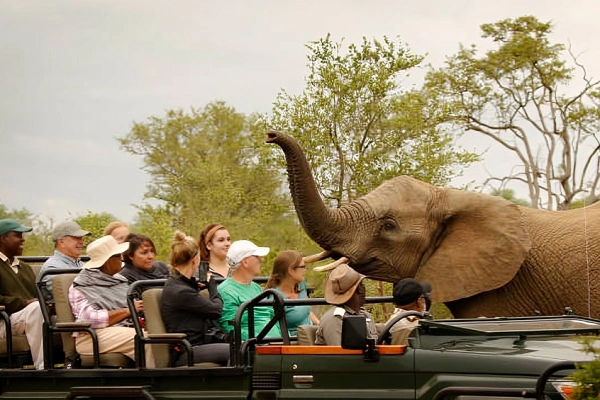
- Game drives with a guide in open 4x4s
- Seeing wildlife in the early morning and at dusk
- Educational talks on conservation and ecosystems
- Birdwatching and nature walks in designated zones
- Drives at night to see animals that come out at night
Why South Africa Stands Apart as a Safari Destination
South Africa is one of the few places in the world where wildlife diversity and conservation infrastructure exist at the same high level.
The country has excellent roads, reliable medical facilities, and accommodation options ranging from tented bush camps to high-end safari lodges — making it accessible to many different types of travelers.
The variety of life here is truly amazing. South Africa is home to more than 299 mammal species, over 850 bird species, and some of the most ancient geological landscapes on Earth.
It also holds one of the highest concentrations of endemic species in the world — animals and plants found nowhere else.
This image comes from a number of things, including:
- Wildlife areas that are big and well protected
- There are different environments in the same place
- Extensive road networks inside national parks
- A long history of structured conservation programs
The Big Five and Beyond: Wildlife You Can Expect to See
Most travelers coming to South Africa for the first time are drawn by the Big Five — lion, leopard, African elephant, Cape buffalo, and white or black rhinoceros.
These five animals carry real ecological importance and seeing them in the wild is an experience that photographs simply cannot replicate.
Kruger National Park and its surrounding private game reserves — Sabi Sands, Thornybush, and Timbavati — offer some of the best opportunities to see all five in a single trip.
Beyond the Big Five, South Africa supports sightings of cheetah, wild dog, hyena, giraffe, zebra, hippo, warthog, and a wide range of antelope species including kudu, impala, and springbok.
In the southern Kalahari at Tswalu Kalahari Reserve, you have a realistic chance of seeing the Rare 5 — pangolin, aardvark, aardwolf, and black-maned Kalahari lions — animals almost impossible to find anywhere else in Africa.
South Africa’s marine wildlife adds another dimension entirely. The coastline around Hermanus, Walker Bay, and the Cape Peninsula is recognized for southern right whale watching, great white shark cage diving, African penguin colonies, and dolphin sightings.
The Marine Big Five — whale, great white shark, dolphin, seal, and penguin — can all be observed from boats or guided shoreline walks.
Observing birds South Africa
South Africa is a major birdwatching destination. Kruger alone has over 500 recorded bird species, and the country’s wetlands, rivers, and forests add hundreds more.
Commonly seen species include the African fish eagle, lilac-breasted roller, secretary bird, hornbills, and various vulture species.
Wetland parks support flamingos, pelicans, and migratory waterbirds, making them particularly rewarding for birders.
Minor Fauna and Reptilians
Safari environments also contain important reptile populations, including Nile crocodiles, monitor lizards, and various snake species.
These animals are essential parts of the ecosystem and help maintain ecological balance.
Guided walking safaris are especially good for spotting smaller wildlife — tracks, insects, plants, and reptiles that are easily missed from a vehicle.
Key Safari Regions and National Parks
South Africa’s geography creates several distinct safari regions. Understanding which area suits your interests is one of the most important parts of planning any South Africa safari tour.
Each region has its own character, wildlife profile, and landscape.
The Greater Kruger National Park and Surrounding Private Reserves
Kruger National Park covers nearly 20,000 square kilometers in the northeast of the country and is one of Africa’s largest protected wildlife areas.
Its savannas, rivers, and woodlands support hundreds of animal species.
The park has well-maintained roads for self-drive visitors, while the adjoining private game reserves — Sabi Sand, Timbavati, and Klaserie — offer a more exclusive experience with off-road driving, night game drives, and guided bush walks not permitted inside the national park itself.
Kalahari Tswalu Set aside
Located in the Green Kalahari in the Northern Cape, Tswalu is South Africa’s largest private game reserve at over 100,000 hectares — bigger than the entire Madikwe Reserve and twice the size of Pilanesberg National Park.
It is malaria-free, has very low visitor numbers, and specializes in rare species.
Research-led game drives focus on nocturnal and elusive animals, and sighting probabilities for pangolin and aardvark are significantly higher here than anywhere else in Africa.
The reserve is also the ancestral home of the San people (Bushmen), and their ancient rock engravings — possibly among the oldest art on Earth — can be found here.
Wildlife Adventures in the Eastern Cape
The Eastern Cape offers a different safari environment with coastal landscapes and semi-arid terrain.
Wildlife reserves here were developed through conservation projects aimed at restoring native ecosystems.
Addo Elephant National Park, Shamwari Game Reserve, and Amakhala Game Reserve are some important places to visit.
Addo is especially known for its large elephant population, along with buffalo, lions, and a malaria-free Big Five experience.
KwaZulu-Natal and iSimangaliso Wetland Park
KwaZulu-Natal combines savanna ecosystems with lakes and coastal environments.
The iSimangaliso Wetland Park — a UNESCO World Heritage Site — brings together coastal wetlands, coral reefs, hippo pools, and crocodile-filled lakes in a single protected area.
Nearby Hluhluwe-iMfolozi Park played a central historical role in recovering the white rhino population during the 20th century and remains one of the most important rhinoceros conservation areas on the continent.
The Garden Route and Cape Floristic Area
The Western Cape offers a completely different kind of experience. The Cape Floristic Region is one of the world’s six major plant biomes, containing more plant species per square kilometer than the Amazon rainforest.
Along the Garden Route, which goes from Mossel Bay to Storms River, you can find coastal woods, lagoons, wildlife refuges, and the Boulders Beach penguin colonies near Simon’s Town.
Visitors to this area are likely to enjoy scenery, culture, and wine country in addition to seeing wildlife.
Varieties of Safari Experiences in South Africa
South Africa supports a wider range of safari formats than almost any other country on the continent. Choosing the right one depends on your priorities, budget, and fitness level.
- Game drives: Open 4×4 vehicles driven by experienced field guides. Morning and late-afternoon drives take advantage of the most active periods for wildlife.
- Guided bush walks: Walking safaris offer a ground-level perspective — ideal for learning about tracks, plants, smaller species, and the broader ecology of the bush.
- Night game drives: Available mainly in private reserves, these reveal nocturnal species like leopard, aardvark, porcupine, and civets rarely seen during daylight hours.
- Boat-based wildlife tours: Used on rivers, estuaries, and the ocean for hippos, crocodiles, birds, whales, and dolphins depending on the region.
- Birdwatching safaris: Bird identification was the main subject of tours that went through forests, rivers, and wetlands.
- Research-led safaris: Trips guided by wildlife biologists and naturalists, providing deeper scientific context. Especially valuable for serious wildlife enthusiasts.
- Private journeys: Fully customizable itineraries built around your schedule, pace, and interests — combining several regions and ecosystems in a single trip.
Work being done in South Africa to protect wildlife
South Africa has developed one of Africa’s most structured wildlife conservation systems. National parks, provincial reserves, and private conservation areas work together to protect ecosystems across the country.
Key conservation goals include protecting endangered species, maintaining healthy habitats, preventing illegal wildlife poaching, and supporting long-term environmental research.
Rhinoceros conservation has been a particular focus due to ongoing poaching pressure. Parks like Hluhluwe-iMfolozi have demonstrated that coordinated protection efforts can bring species back from the brink.
Organizations and park authorities continuously monitor animal populations and habitat conditions to ensure long-term sustainability. Responsible tourism plays an important supporting role.
Common guidelines in national parks and reserves include: remaining inside vehicles in designated areas, maintaining safe distances from animals, avoiding loud noise or sudden movement, and never feeding wildlife.
These rules protect natural animal behavior and reduce stress on wildlife populations.
Optimal Time for Seeing Wildlife
South Africa’s dry winter season — roughly May through September — is widely considered the best time for game viewing.
Vegetation thins out, water sources concentrate, and animals are easier to spot along park roads. Temperatures are mild and comfortable, particularly in the bushveld regions.
The wet summer season (October through April) brings lush green landscapes and newborn animals, which in turn attract predators.
This is also whale watching season along the southern coast, with southern right whales arriving to calve between June and November.
Birdwatching is particularly rewarding in summer when migratory species are present and birdlife becomes more active.
For the Green Kalahari and Tswalu Reserve, summer months (October through March) are actually excellent — warmer temperatures bring out more nocturnal species during night drives, and the landscape takes on a greener character quite different from the classic Kruger experience.
Practical Considerations Before You Go
A few practical points are worth knowing before booking any safari tour in South Africa. Most popular safari regions — including Kruger — fall within malaria risk zones.
If malaria is a concern, reserves like Tswalu and Addo, as well as much of the Western Cape and Eastern Cape, are completely malaria-free and still offer excellent wildlife viewing.
Always consult a travel health professional about malaria prophylaxis before visiting any risk area.
South Africa uses 230V electricity with Type M plugs (large three-round-pin). Most safari lodges provide adapters, but it is worth confirming in advance.
The country’s road network is generally well-maintained, and self-drive safaris inside Kruger are popular and straightforward for independent travelers.
Most international flights arrive at OR Tambo International Airport in Johannesburg or Cape Town International Airport.
Internal connections to safari regions are frequent, with regional carriers operating to Hoedspruit, Nelspruit, and Upington for Kruger and Kalahari areas respectively.
Wrapping Up Your South Africa Safari
Wildlife safari tours in South Africa bring together an extraordinary range of ecosystems, animals, and landscapes that few destinations in the world can match.
From the savannas of Kruger to the wetlands of KwaZulu-Natal and the coastlines of the Western Cape, the country offers something genuinely different at every turn.
The best South Africa safari tours are those built around your specific interests — a route that matches your pace, the animals you most want to see, and the habitats that excite you.
South Africa has the range to deliver that, whether this is your first visit or your fifth.
Many travelers who explore African wildlife destinations also take time to visit historic cities in other regions of the continent.
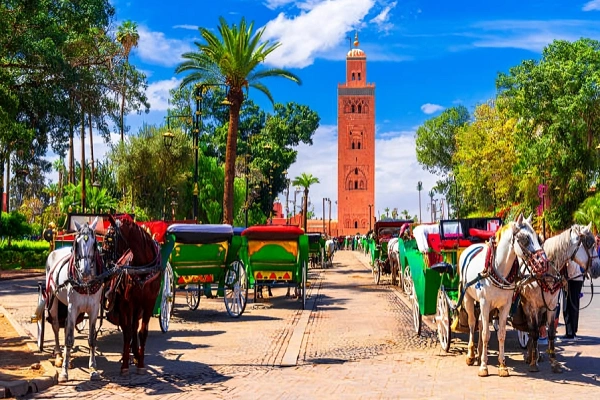
Travel guides often highlight the Things to Do in Marrakech in Marrakech, a city known for its historic medina, traditional souks, and vibrant cultural atmosphere.

A travel content creator providing destination insights, practical advice, and travel inspiration for every journey.