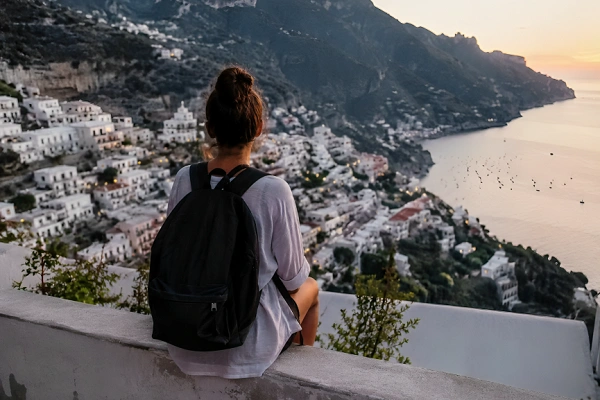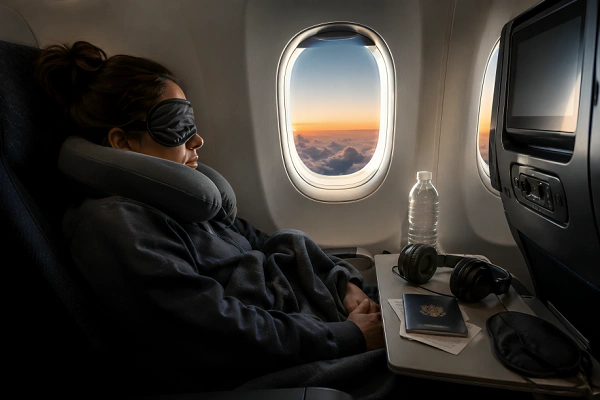





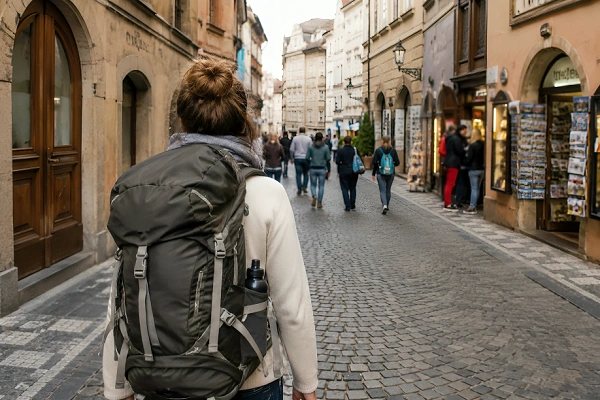
Most first-time backpackers return home with a third of their bag unused and stories about blisters, airline baggage fees, and gear they wish they had left behind. Following smart travel packing tips for Europe backpackers can be the difference between a smooth journey and an exhausting one.
Europe’s mix of cobblestone streets, budget airlines with strict carry-on rules, crowded hostels, and unpredictable weather means your packing strategy must be practical, light, and well thought out before you even leave home.
1. How to Choose the Best Backpack for Traveling in Europe
The single most important decision before a Europe backpacking trip is selecting the right bag. A 35L to 42L travel backpack is the sweet spot large enough to carry everything you need, yet small enough to qualify as carry-on luggage on most European budget airlines. Bags in this range fit easily in overhead compartments without drawing attention from gate staff.
Look for a bag with padded shoulder straps, a hip belt for weight distribution, and a front-loading or panel-loading design for easy access. A bag with external compression straps helps keep the load compact when you are not fully packed.
Europe’s terrain, cobblestone streets, narrow staircases, ferry ramps, and busy train stations makes wheeled luggage genuinely difficult to manage. A well-fitted backpack allows you to move hands-free, walk quickly between platforms, and store your bag in overhead racks without assistance.
Tip: You can use your bag as a duffel bag when checking it in at airports that mark backpacks for extra security checks if it has straps that zip into the back panel.
2. The Backpack Weight Rule That Saves You Money on Budget Airlines
Keep your total pack weight including the bag itself under 20 to 22 lbs (9–10 kg). This matters because budget airlines across Europe have different carry-on weight limits and size restrictions that vary by carrier:
- Ryanair — Free personal bag: 40x30x20 cm (underseat, no weight limit enforced); Priority boarding adds a second 10 kg bag (55x40x20 cm) stored in the overhead locker
- easyJet — 15 kg carry-on weight limit; free underseat bag for all passengers, larger overhead bag requires payment or membership
- Wizz Air — 10 kg carry-on limit
- Vueling — 10 kg carry-on limit
Always check your specific airline’s current baggage policy before departure, as rules and fees change regularly. Staying under 10 kg keeps you safe across all carriers and avoids forced check-in fees that add up quickly across multiple flights.
Beyond airline rules, a lighter pack is better for your body over a long trip. Hauling a heavy bag across a city, climbing stairs in the heat, or rushing between train connections becomes significantly harder when your pack weighs too much.
The 5-4-3-2-1 rule is a good way to pack light: five pairs of socks, four tops, three bottoms, two pairs of shoes, and one jacket. Adjust the numbers based on your trip length, but use it as a starting framework to avoid overpacking.
3. What Clothes to Pack for Europe: Smart, Not More
Clothing is the heaviest category in most backpacks and the easiest area to overpack. The key principle is versatility over quantity. Every piece you pack should work with at least two or three other items.
Color and Fabric Strategy
Stick to dark and neutral colors navy, grey, black, olive because they hide dirt and stains better than light colors and work in more contexts. Choose moisture-wicking fabrics or merino wool where possible. Merino wool regulates temperature, resists odor, and can be worn multiple days before needing a wash.
Linen and lightweight cotton work well for summer travel.
The Layering Approach
Instead of packing a bulky coat, use a layering system: a moisture-wicking base layer, a long-sleeve shirt or light fleece, and a packable wind-resistant outer layer. This handles most of Europe’s variable weather and takes up far less space than a single large jacket.
Religious Sites and Dress Codes
Bring at least one outfit that goes from the shoulders to the knees. Churches, cathedrals, and mosques across Europe enforce modest dress at the entrance this is particularly common in Italy, Spain, Greece, Portugal, France, Poland, and Croatia, but applies broadly across the continent. One conservative layer in your bag solves this completely regardless of where you are.
Laundry on the Road
Plan to do laundry every five to seven days. Public laundromats, hostel washing machines, and sink washing are all accessible throughout Europe. A regular laundry routine means you never need more than a week’s worth of clothing.
4. Footwear for Europe Travel: Two Pairs Is All You Need
Limit yourself to two pairs of footwear. Your primary shoes should be comfortable walking shoes or trail runners already broken in before your trip. Blisters from new shoes in week one are a common and entirely avoidable problem.
A pair of flip-flops or lightweight sandals serves as the second option essential for hostel showers, beach days, and letting your feet recover after long city walks. Avoid packing formal shoes unless your trip has a specific confirmed occasion that requires them.
In most European places and social settings, you can wear clean sneakers or casual shoes that have been well taken care of.
5. How Packing Cubes Make Hostel Life Easier
Packing cubes are lightweight, zippered fabric containers that let you categorize belongings: one cube for tops, one for bottoms, one for underwear and socks so you never dig through a pile to find something.
They make hostel life considerably easier. Pulling out one organized cube from your bunk rather than unpacking everything is a genuine daily convenience when sharing a room with strangers.
Use a separate dry bag or stuff sack for dirty laundry to keep worn clothes away from clean ones, control odors, and stay organized between washes.
Yeh part dekh liya. Pehle batata hun kahan kahan plagiarism issue hai, phir fix karta hun.
Main male:
- Section 6, 7, 8 ka text original article se bohot close hai — wording almost same hai
- Sirf chhoti chhoti words change ki hain jo plagiarism checker ko nahi chalta
6. Toiletries for Backpacking Europe: What to Bring and What to Skip
Smart packing starts with leaving behind what you can easily replace. Across Europe, pharmacies and supermarkets stock every basic toiletry you could need so there is no reason to carry full-size versions from home.
- A solid shampoo bar is one of the smartest swaps you can make. It handles hair washing, doubles as body wash, takes up almost no space, and will never leak in your bag
- For any liquid product without a solid version, small refillable silicone bottles keep things compact and TSA-friendly
- A microfiber travel towel is a non-negotiable it wrings out fast, dries completely within an hour, and packs down smaller than a paperback book
- Toothpaste tablets or a small tube, a compact toothbrush, and a solid deodorant stick cover your daily basics without eating into your space
- Leave your hair dryer at home virtually every hostel and guesthouse across Europe has one available for guests
- If you are heading through southern Europe, do not underestimate the sun. UV levels in places like Spain, Greece, and Italy are far stronger than many travelers expect SPF moisturizer and a small after-sun lotion are genuinely worth packing
- Before any day of hard walking, tuck a little anti-chafe stick into your kit; your feet and legs will thank you
7. Anti-Theft Essentials: How to Stay Safe from Pickpockets in Europe
Theft targeting tourists is a genuine and well-recorded issue in many of Europe’s most visited cities. Rome, Barcelona, Paris, Amsterdam, Athens, Lisbon, and Naples consistently appear in reports as high-risk areas though any crowded public space across the continent carries some level of risk.
- Money belt: Worn flat against your skin under your clothing, a money belt keeps your passport, emergency cash, and spare cards completely hidden from view and out of reach
- Anti-theft crossbody bag: Look for a day bag with cut-proof shoulder straps and zip locks it keeps your phone, wallet, and daily essentials secure without slowing you down
- TSA combination lock: Far more practical than carrying keys, a small combination lock secures your main pack’s zippers and hostel locker during overnight travel or whenever you leave your bag unattended
- In any busy metro, street market, or tourist attraction, wear your day bag across your chest and keep your hand resting on it
Daily habit: Only take out the cash you actually need each day. Everything else, backup cards, extra cash, spare documents, stays locked in your hostel locker.
8. The Dorm Room Survival Kit: What You Really Need at a Hostel
Sleeping in a shared dorm is one of the best ways to keep costs down but it comes with challenges that the right gear solves quickly.
- Foam earplugs: Nothing else comes close to improving sleep quality in a room full of strangers. Pack at least two pairs
- Sleep eye mask: Whether it is a late-night roommate switching on lights or the Scandinavian summer sun rising before 4am, a good eye mask makes a real difference
- Compact laundry kit: A few detergent sheets, a small rubber sink stopper, and a collapsible travel clothesline give you everything needed for a quick hand-wash between laundromat visits
- Filter water bottle: Tap water is reliably safe across most of Western and Central Europe. However, in rural pockets of Eastern Europe particularly parts of Romania, Bulgaria, and Albania quality can be inconsistent. A bottle with a built-in filter removes that uncertainty wherever you travel
9. First Aid and Health Essentials for Backpackers in Europe
A small, well-chosen kit handles the most likely problems without adding much weight to your bag:
- Blister plasters essential from day one, especially if you are doing serious city walking
- Adhesive bandages and antiseptic wipes for minor cuts and scrapes
- Ibuprofen or paracetamol for headaches, muscle soreness, or general pain relief
- Electrolyte sachets or oral rehydration salts particularly useful during summer travel in hot climates
- Any personal prescription medication, along with a written copy of the prescription
- Antihistamine tablets for unexpected allergic reactions or insect bites
Above all of these, one thing that should be at the top of your priority list is travel insurance. A solid policy covers hospital bills, cancelled flights, stolen gear, and emergency evacuation situations where being uninsured can turn a bad day into a financial crisis.
At minimum, make sure your policy includes medical cover, trip interruption, and lost baggage protection.
10. Tech Packing List for Europe: Adapters, SIMs, and Power Banks
Power Adapter
In Europe, the socket you’ll find differs from country to country. A single universal adapter covering all of the following saves you from buying multiple:
- Type C, E, F — standard across most of continental Europe, including France, Germany, Spain, and the Netherlands
- Type G — used in the United Kingdom and Ireland
- Type J — Switzerland only
- Type L — paired with Type C and F used in Italy
One well-built universal adapter handles all of these without needing extras.
Power Bank
A 10,000 mAh power bank is the practical sweet spot for traveling enough capacity to fully recharge your phone two to three times, while staying well within airline rules. Most units at this size sit around 37Wh, which is safely below the 100Wh carry-on limit enforced by most airlines.
If you opt for a higher-capacity bank, check the watt-hour rating printed on the device before you fly anything above 100Wh cannot travel in carry-on or checked baggage.
Mobile Connectivity
- A single short USB-C cable that charges your phone, earbuds, and power bank keeps your tech kit simple
- Download offline maps through Google Maps or Maps.me before you land do not rely on data being available the moment you arrive
- For data coverage, an EU or EEA SIM is the most cost-effective option. The Roam Like at Home regulation means a SIM purchased in any of the 27 EU member states also works across Norway, Iceland, and Liechtenstein at no extra charge.
- The United Kingdom and Switzerland sit outside this agreement and require separate coverage. As always, confirm the exact roaming terms with your chosen carrier before departure
11. What to Pack for Europe by Season (Summer, Spring, Winter)
Summer (June–August)
Lightweight breathable clothing is the priority, think linen shirts, shorts, and a thin layer for cooler evenings. Sun protection matters far more than most visitors expect, particularly in Mediterranean countries where UV levels peak well above what people are used to at home. Opt for breathable walking shoes or sandals over anything heavy.
Spring and Autumn (March–May, September–November)
These shoulder seasons offer the most flexibility in what you pack. A solid layering system base layer, mid layer, packable outer shell covers the full temperature swing you will encounter. Rainfall is more frequent across Northern and Western Europe during these months, so a compact rain jacket earns its place every time.
Winter (December–February)
The focus shifts to warmth without bulk. Thermal base layers under a fleece mid-layer, topped with a wind-resistant shell, handle most European winter conditions without requiring a heavy down coat. Merino wool accessories, a beanie, lightweight gloves, and a thin scarf pack small and add meaningful warmth on cold days.
12. What NOT to Pack for Europe Things You Will Regret Bringing
- Full-size shampoo, conditioner, and body wash one solid shampoo bar replaces all three
- Hair dryer or travel iron provided at virtually every hostel and hotel in Europe
- If you have more than two pairs of shoes, the extra ones are just extra weight
- A physical guidebook heavy, outdated quickly, and fully replaced by free apps
- Expensive jewelry or valuables unnecessary and increases theft risk
- A full-size towel a microfiber travel towel does the same job in a fraction of the space
- Clothing packed for hypothetical situations pack for your confirmed itinerary only
- A complete collection in a single e-reader, weighing less than many hardcopy books combined
- Formal wear without a confirmed occasion takes up significant space for low-probability use
13. Overnight Train and Bus Packing Tips for Europe Travel
Taking overnight trains and buses is one of the most practical methods to travel great distances in Europe and save on accommodation costs. They require a slightly different packing approach.
What to Keep Accessible
Before boarding, move these items to the top of your bag or into your day bag:
- Passport and travel documents
- Phone, power bank, and charging cable
- Earplugs and eye mask for sleep
- A packable jacket trains and buses get cold overnight
- A small snack and water bottle
- Toothbrush and a small toiletry pouch for freshening up on arrival
Securing Your Bag
Use your combination lock on your main pack’s zippers when sleeping. Place your bag in overhead storage rather than under your seat where it is harder to monitor. In seated carriages, loop the bag strap around your leg or the seat frame while you sleep.
Arriving Fresh
Overnight travel means arriving at your next destination in the morning, often before hostel check-in opens. Pack a change of clothes and basic toiletries in your day bag so you can freshen up at a café or train station facility without unpacking your entire bag in public.
14. Most Common Europe Packing Mistakes (And How to Fix Them)
| Mistake | Better Approach |
| Packing too many clothes | Use the 5-4-3-2-1 rule; do laundry every 5–7 days |
| Choosing a bag over 42L | Stick to 35–42L; budget airlines have strict size limits |
| Assuming one weight limit for all airlines | Check each airline’s specific policy before departure |
| Packing only light colors | Dark and neutral tones hide dirt and are more versatile |
| Bringing full-size toiletries | Travel-size or solid versions for everything possible |
| No security items | Money belt + combination lock + anti-theft day bag |
| Skipping travel insurance | Purchase a comprehensive policy before departure |
| New shoes on day one | Break in footwear at home for at least 2–3 weeks first |
| Assuming EU SIM works in UK and Switzerland | Only UK and Switzerland require separate coverage Norway and Iceland are included |
| Packing for hypothetical situations | Pack for your actual confirmed itinerary only |
15. Complete Europe Backpacker Packing Checklist (2026)
The Bag
- 35L to 42L travel backpack with hip belt and compression straps
- Anti-theft crossbody day bag
- Packing cubes (3–4)
- Dry bag or stuff sack for dirty laundry
Clothing
- 4 tops (dark or neutral, moisture-wicking or merino)
- 3 bottoms (versatile, mix of casual options)
- 1 packable rain jacket or wind-resistant outer layer
- 1 mid-layer fleece or sweater
- 1 outfit covering shoulders and knees
- 5 pairs of socks (merino wool recommended)
- 5–6 pairs of underwear (quick-dry synthetic)
- Sleepwear (lightweight)
Footwear
- 1 pair broken-in walking shoes or trail runners
- 1 pair flip-flops or lightweight sandals
Toiletries
- Solid shampoo bar
- Refillable silicone containers for liquids
- Toothbrush and toothpaste tablets or small tube
- Deodorant stick
- Microfiber travel towel
- SPF moisturizer
- Anti-chafe balm
- Razor
Health and First Aid
- Blister patches and adhesive bandages
- Antiseptic wipes
- Ibuprofen or paracetamol
- Antihistamine tablets
- Oral rehydration salts
- Personal medications and prescriptions
- Travel insurance documents
Security
- Money belt
- TSA-approved combination lock
- Digital and physical copies of passport and key documents
Tech
- Universal travel adapter (covering Type C, E, F, G, J, L)
- Portable power bank (10,000 mAh, under 100Wh)
- USB-C charging cable
- Earbuds or headphones
- Phone with offline maps downloaded
Overnight Travel
- Foam earplugs
- Sleep eye mask
- Packable jacket accessible at top of bag
Final Thoughts
Most first-time backpackers return home wishing they had packed half as much. A lighter pack means faster movement, lower airline fees, less physical strain, and more mental freedom to focus on the journey itself.
Use this 2026 Europe backpacking checklist before every trip, adapt it to your specific destinations and season, and remember that pharmacies, supermarkets, and local shops across Europe can fill any gap you discover on the road. The goal is not to bring everything, it is to bring exactly what you need and move freely with it.

Asad Rasheed is a travel researcher and writer,
and the founder of Travel Magnify. He creates
in-depth destination guides based on thorough
research, verified sources, and real traveler
insights helping everyday people plan smarter,
more confident trips across Europe, Asia, the
Americas, Africa, and beyond.