

Searching “Phuket Thailand” and tired of the same recycled “paradise awaits” articles? This guide skips the fluff.
It covers verified, current facts on Phuket’s beaches, landmarks, weather, and getting around, so you can actually plan your trip instead of guessing.
Where Phuket Sits and Why That Matters
Phuket Island itself covers 543 square kilometers, making it Thailand’s largest island. The wider Phuket province, which includes 32 smaller surrounding islands, adds up to about 576 square kilometers.
The Andaman Sea surrounds it on three sides, and its west coast faces the open ocean. That explains why most of the island’s famous beaches line that shore.
Phuket International Airport sits in the north of the island, so most travelers land there and then head south toward the beach towns.
The island’s geography splits naturally into zones: the busy west coast beaches, the quieter east coast, and Phuket Town in the southeast, which holds the island’s cultural core.
Best Beaches to Visit
Phuket’s beaches differ enough from one another that picking the right one shapes your entire trip.
Patong Beach draws travelers who want nightlife, shopping, and round-the-clock activity. Bangla Road, its main strip, stays busy well into the night with bars, restaurants, and street vendors.
Kata Beach offers a calmer setting with good surf during the monsoon season, plus easy access to restaurants and mid-range resorts.

Bang Tao Beach stretches for several kilometers along a crescent-shaped bay. Luxury resorts and beach clubs line this stretch, making it a favorite for travelers who want an upscale, relaxed atmosphere.
Freedom Beach requires a boat ride or a jungle hike to reach, and that effort pays off with a quieter, more secluded stretch of sand than the main tourist beaches.
Top Things to Do in Phuket
Beyond the beaches, Phuket gives visitors a genuine mix of culture, nature, and adventure.
Big Buddha and Wat Chalong
Big Buddha (Phra Phutta Ming Mongkol Eknakiri) stands 45 meters tall on Nakkerd Hill and overlooks Chalong Bay. A landslide hit the hillside below the site in August 2024, killing 13 people, and the site stayed closed for over a year.
It reopened for good on March 3, 2026, now called Wat Kittisangharam (Big Buddha) and run by the temple committee. Open daily from 9 am to 6 pm, admittance is free.
A lawsuit from affected residents is still working through the Phuket Provincial Court, so it’s worth checking the latest status before you visit. The hill still offers some of the best panoramic views in southern Phuket..
Wat Chalong ranks as Phuket’s largest and most visited Buddhist temple. Built in the early 19th century, it remains an active place of worship as well as a major cultural landmark.
Phuket Old Town
Phuket Old Town suits anyone who wants a break from the beach. Walking along Thalang Road, you pass Sino-Portuguese shophouses, family-run cafés, and street art that reflects the island’s mixed Thai, Chinese, and Malay heritage.

A half-day is usually enough to cover the main streets and sample local food, though it’s easy to lose track of time wandering the side alleys.
Island Hopping and Water Activities
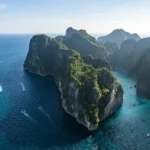
Phang Nga Bay lies about 90 minutes north of Phuket and forms a protected marine park filled with dramatic limestone karsts rising straight out of emerald water.

Visitors explore by speedboat, sea canoe, or private cruise, and many day trips include stops at James Bond Island and Koh Panyi, a village built entirely on stilts.
Phi Phi Islands remain one of the most popular day-trip destinations from Phuket, reachable by speedboat and known for their turquoise water and dramatic cliffs.
Andamanda Phuket, a large water park near Phuket Town, spans 100,000 square meters and includes wave pools, waterslides, and one of the longest lazy rivers in Southeast Asia.
It suits families and travelers looking for a full day of activity away from the beach.
Ethical Elephant Encounters
For animal lovers, the Phuket Elephant Sanctuary offers an ethical alternative to riding camps.
Visitors walk around and feed elephants without touching them, supporting a model that prioritizes the animals’ welfare over tourist entertainment.
When to Visit Phuket
Phuket has a tropical climate with two main seasons. The dry season stretches from November through April, bringing lower humidity, calmer seas, and the most reliable sunshine, which makes it the peak tourist period.
Expect higher hotel prices and busier beaches during these months.
The monsoon season takes over from May through October, with the heaviest rainfall usually landing in September and October.
Rain during this stretch tends to arrive in short, heavy bursts rather than lasting all day, and hotel prices drop noticeably once the crowds thin out.
Surfers often prefer these wetter months, since the west coast sees larger swells at this time of year.
Practical Tips for a Smooth Trip
- Book accommodation and major tours in advance during the November to April high season, since prices rise and popular spots fill up quickly.
- Carry sun protection and drink plenty of water, since the tropical heat and humidity can catch first-time visitors off guard.
- Dress modestly when visiting temples like Wat Chalong, covering shoulders and knees out of respect for local customs.
- Check operating hours before visiting attractions, since some sites adjust schedules seasonally or during renovation periods.
Final Thoughts
Phuket Thailand works well for nearly every kind of traveler. A backpacker chasing cheap street food, a couple booking a beachfront resort, and a family heading to the water park can all build a trip around this one island without stepping on each other’s plans.
The island’s size means you rarely need to leave to find something new, and its position on the Andaman Sea puts destinations like Phi Phi and Phang Nga Bay within easy reach for a day trip.
Pick the dry season if calm weather matters most to you. Pick the monsoon months if you’d rather deal with the odd rain shower in exchange for thinner crowds and lower prices.
Either way, the payoff comes from getting past the main beach strip and into the parts of the island that made it famous in the first place.

Asad Rasheed is a travel researcher and writer,
and the founder of Travel Magnify. He creates
in-depth destination guides based on thorough
research, verified sources, and real traveler
insights helping everyday people plan smarter,
more confident trips across Europe, Asia, the
Americas, Africa, and beyond.